
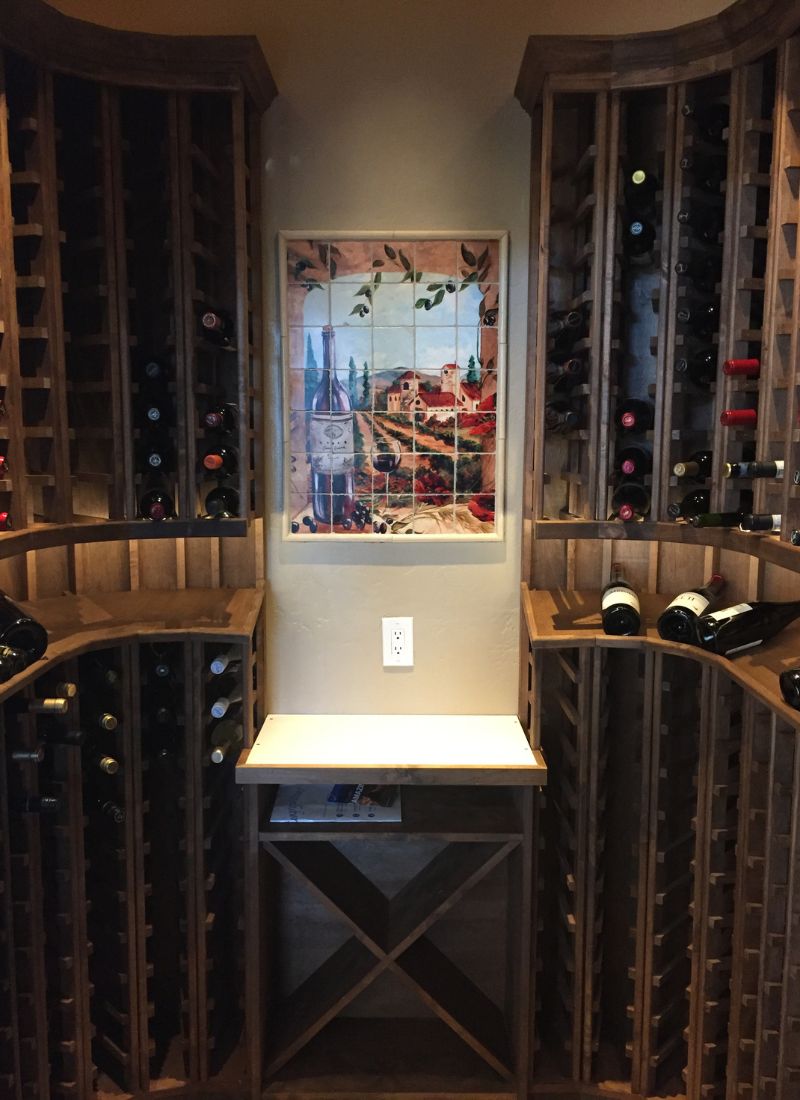
A beautifully designed wine cellar may feature custom racking, carefully selected materials, elegant lighting, and an impressive bottle display. However, the most important part of the room is often the part visitors never see: the climate-control system.
Wine is sensitive to its surroundings. Excessive heat, rapid temperature changes, uncontrolled humidity, poor airflow, and exposure to light can affect how a bottle matures. Without a properly designed environment, even the most attractive cellar may fail at its primary purpose—protecting the wine stored inside it.
Effective wine cellar climate control is not simply a matter of installing a cooling unit. It requires the cooling equipment, insulation, vapor control, doors, glass, airflow, drainage, and room construction to work together as one complete system.
Here is why climate control is the heart of every great wine cellar and what should be considered before construction begins.
Wine Needs a Stable Environment
Wine continues to develop after it has been bottled. Its aromas, flavors, color, and texture can evolve over many years when it is stored under suitable conditions. That development depends heavily on environmental stability.
A room that frequently becomes warm and then cool again can place unnecessary stress on the wine. Temperature fluctuations may cause the liquid and air inside a bottle to expand and contract. Over time, this movement can affect the seal and increase the possibility of unwanted air entering the bottle.
Consistent conditions are generally more important than achieving a perfect number for a few hours each day. A properly designed cellar maintains a stable environment instead of constantly reacting to major changes in the surrounding property.
This is one reason ordinary household air conditioning is not an appropriate substitute for a dedicated wine cellar cooling system. Household systems are designed for human comfort and often operate on shorter cycles. A wine cellar requires equipment and controls designed specifically for long-term wine storage.
Temperature Affects How Wine Develops
Excessive heat can accelerate the aging process and may cause a wine to develop faster than intended. If the room remains too warm for an extended period, the wine may lose some of its balance, freshness, or complexity.
Conditions that are too cold can also be undesirable, particularly if bottles are exposed to freezing temperatures. More commonly, the challenge is creating a stable, cool environment while the areas surrounding the cellar are much warmer.
The cooling system must be selected based on the actual demands of the room. Cellar size is important, but it is not the only factor. Ceiling height, glass area, insulation, lighting, exterior walls, nearby appliances, door usage, and the temperature of adjacent spaces can all contribute to the heat load.
Choosing equipment based only on square footage can result in a system that is not properly matched to the space. A professional heat-load calculation helps determine how much cooling the room actually requires.
Humidity Helps Protect Bottles and Materials
Humidity is another important part of wine cellar performance. When the environment becomes excessively dry, natural corks may be more likely to lose moisture over time. When humidity becomes too high, condensation, mold, musty odors, damaged labels, and deterioration of some finishes may become concerns.
The goal is not to create an excessively humid room. It is to maintain balanced conditions that support the collection without creating moisture problems within the structure.
Humidity control begins with the room itself. A cooling unit cannot fully compensate for an enclosure that allows outside air and moisture to move freely through walls, doors, ceilings, or glass assemblies.
Cellar principle: The cooling equipment controls the environment, but the enclosure gives that equipment a controlled environment to work with.
The Entire Room Must Function as an Enclosure
A climate-controlled wine cellar should be approached as a specialized room rather than a standard interior space. Its walls, ceiling, floor, door, windows, and penetrations must be planned around the temperature and humidity difference between the cellar and the surrounding property.
Insulation reduces the amount of heat entering the room. Vapor control helps manage moisture movement through the building assembly. Sealed doors and glass systems limit uncontrolled air exchange. Electrical outlets, lighting fixtures, vents, and other penetrations should also be carefully coordinated.
When these elements are overlooked, the cooling system may run longer and work harder than necessary. The room may develop warm areas, unstable humidity, condensation, or difficulty reaching the intended conditions.
Good enclosure planning can improve performance, reduce unnecessary strain on the equipment, and help the system operate more consistently.
Glass Wine Cellars Require Additional Planning
Glass cellars and wine walls create a striking visual connection between the collection and the surrounding space. They can make wine part of the architecture rather than hiding it behind a solid door.
However, glass does not typically insulate as effectively as a properly constructed solid wall. Larger glass areas can increase the cooling demand, particularly when they are exposed to sunlight or warmer adjacent rooms.
The type of glass, framing system, door hardware, seals, panel size, and installation details all influence the performance of the enclosure. Even small gaps can allow warm air and moisture to enter.
Condensation is another consideration. If the glass surface becomes cold while the surrounding air is warm and humid, moisture may form on the glass. Proper glazing specifications, sealing, climate design, and room placement help reduce this risk.
A glass cellar can perform successfully, but its technical requirements should be resolved during the design stage rather than after the glass has been ordered.
Airflow Matters Throughout the Cellar
Cooling the room is not enough if conditioned air cannot circulate properly. Poor airflow may create areas that are warmer or cooler than the rest of the cellar.
Racking, cabinetry, soffits, walls, and display features can affect how air moves. Supply and return locations should be coordinated with the final layout so air is not blocked by bottles or millwork.
The goal is gentle and consistent circulation. Air should move throughout the room without blowing aggressively across labels, seating areas, or frequently accessed bottles.
Airflow planning is especially important in large cellars, rooms with tall ceilings, irregular layouts, or spaces divided by cabinetry and architectural features.
The Cooling System Must Have Somewhere to Release Heat
Every cooling system removes heat from the cellar and transfers it somewhere else. That heat must be safely directed away from the conditioned space.
Depending on the type of equipment, heat may be released into an adjacent room, a mechanical space, or outdoors. If the receiving area is too small, too warm, or poorly ventilated, the equipment may struggle to operate efficiently.
This is why equipment selection cannot be separated from building planning. The design team must consider where the cooling unit will be located, how heat will be discharged, how air will travel, and how technicians will access the equipment for future service.
Cooling systems can also produce condensation that must be managed through an appropriate drainage plan. Ignoring drainage until late in construction can create unnecessary complications or limit the available equipment options.
Noise and Vibration Should Be Addressed Early
A wine cellar may be located near a dining room, living area, bedroom, restaurant, or hospitality space. Noise that seems minor inside a mechanical room can become distracting in a quiet entertaining area.
Different cooling systems produce different levels of sound. Equipment location, duct design, mounting, vibration isolation, wall construction, and nearby finishes can all influence how much noise reaches occupied spaces.
If the cellar is intended for tasting or entertaining, acoustic comfort should be part of the planning process. Selecting the right system and locating it carefully can help the room remain peaceful while maintaining dependable conditions.
Lighting Can Add Heat to the Room
Wine cellar lighting should create atmosphere, make bottles easy to identify, and highlight important features. It should do this without producing unnecessary heat or exposing the collection to excessive light.
LED lighting is commonly used because it produces less heat than many traditional alternatives and can be integrated into shelves, display rows, ceilings, niches, and cabinetry.
The amount, placement, and operating time of the lighting should still be included in the room’s heat-load calculation. Decorative fixtures, transformers, and control equipment can all contribute heat, particularly in a small enclosed cellar.
Coordinating lighting with the racking and cooling design helps create a room that is visually dramatic without compromising performance.
Proper Sizing Protects the Cooling Equipment
A system that is too small may run continuously and still struggle to maintain stable conditions. This can increase wear, energy use, and the possibility of premature equipment problems.
A system that is unnecessarily large may cool the room too quickly and operate in short cycles. Short cycling can make it more difficult to manage humidity consistently and may also place avoidable strain on components.
Professional sizing considers the complete room rather than relying on a simple capacity estimate. The design should account for the enclosure, surrounding temperatures, bottle load, lighting, glass, occupancy, and expected door usage.
Correct sizing supports more consistent operation and helps the equipment perform as intended.
Monitoring Provides an Additional Layer of Protection
Even a carefully designed system should be monitored. A visible temperature and humidity display allows the owner to check conditions easily, while remote monitoring can provide notifications if the room moves outside the intended range.
Monitoring is especially useful for valuable collections, second homes, commercial properties, and cellars that may not be visited every day. An alert can provide an early warning of a power interruption, equipment issue, open door, or unexpected change in room conditions.
Monitoring does not replace professional maintenance, but it gives the owner valuable information and can help identify a problem before it becomes more serious.
Maintenance Keeps the System Working Reliably
Wine cellar cooling equipment requires ongoing care. Filters, coils, drains, controls, seals, and other components should be inspected according to the equipment manufacturer’s recommendations and the conditions of the installation.
Dust buildup, blocked airflow, damaged door seals, drainage problems, or changes to the surrounding property can affect performance. Even adding new cabinetry or placing storage in front of a return vent may alter circulation.
Regular maintenance helps keep the system clean, efficient, and dependable. It also gives a technician the opportunity to identify wear or performance changes before they lead to a complete shutdown.
Learn more about wine cellar maintenance and repair.
Climate Control Should Be Planned From the Beginning
The best time to design the climate system is before the cellar is built. Early planning allows the enclosure, equipment, ductwork, drainage, electrical requirements, glass, lighting, and racking to be coordinated as one system.
Trying to add climate control after construction may require opening finished walls, changing doors or glass, relocating racking, or accepting compromises that could have been avoided.
When the technical requirements are established first, the visible design has a stronger foundation. Materials can be selected for the environment, equipment can be concealed without becoming inaccessible, and architectural details can be developed without interfering with airflow or sealing.
A Great Cellar Protects the Wine Quietly
The most successful wine cellars do not constantly remind visitors of the work happening behind the walls. They feel comfortable, calm, and beautifully integrated into the property while maintaining dependable conditions for the collection.
That quiet performance comes from treating climate control as a core part of the design—not as a piece of equipment added at the end.
Wine Cellar Cowboys coordinates cooling, enclosure construction, custom racking, glass, materials, lighting, and long-term service to create cellars that are both beautiful and built to perform.
Need Help Planning Your Wine Cellar Climate System?
Tell us about your space, collection, and the type of cellar you want to create. We’ll help you understand the enclosure, cooling, and construction requirements before the build begins.